









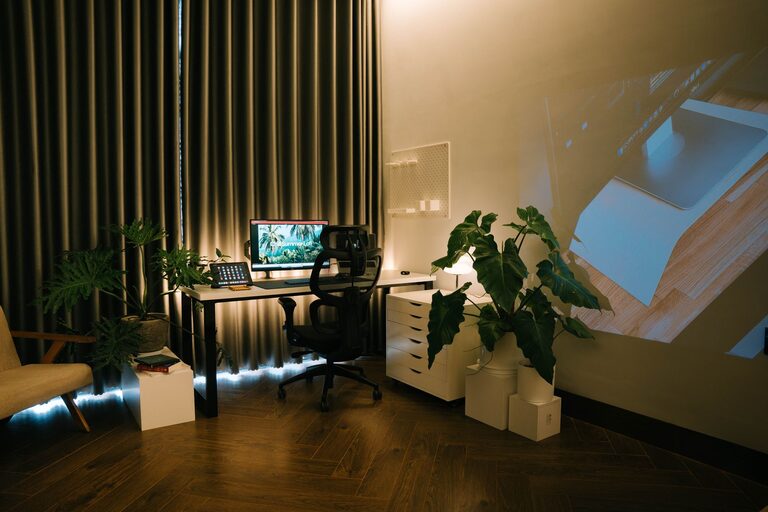
Creating a relaxing home workspace is essential for maintaining productivity and well-being, especially as more people work remotely. A cluttered or uninspiring space can increase stress and decrease focus, while a thoughtfully designed area helps you stay calm and motivated throughout the day. Whether you have a dedicated room or a small corner, these tips will guide you in crafting a workspace that feels both inviting and functional.
Choose the Right Location
The first step in creating a relaxing workspace is selecting the best spot in your home. Consider the following:
– Natural Light: Position your desk near a window to take advantage of natural light. It improves mood and reduces eye strain.
– Quiet Area: Pick a space with minimal noise and distractions. If needed, use noise-cancelling headphones or white noise machines.
– Comfortable Temperature: Avoid areas that tend to get too hot or cold. Comfort helps you stay focused.
Declutter and Organize
A cluttered desk often leads to a cluttered mind. Keeping your workspace tidy can reduce anxiety and improve concentration.
– Minimal Essentials: Keep only the items you regularly use on your desk.
– Storage Solutions: Use shelves, drawers, or organizers to store supplies neatly.
– Daily Clean-Up: Spend a few minutes at the end of each day straightening up your area.
Invest in Ergonomic Furniture
Comfortable furniture is key to a relaxing workspace and maintaining good posture.
– Ergonomic Chair: Choose a chair that supports your lower back and allows your feet to rest flat on the floor.
– Adjustable Desk: A desk at the right height helps prevent strain. Consider a sit-stand desk for flexibility.
– Monitor Position: Place your computer screen at eye level to avoid neck pain.
Incorporate Calming Colors and Decor
The colors and decor in your workspace influence your mood and productivity.
– Soft, Neutral Colors: Shades like soft blues, greens, or creams create a calm environment.
– Personal Touches: Add a few personal items such as photos or artwork that inspire you, but keep it minimal.
– Plants: Indoor plants improve air quality and reduce stress.
Control Lighting and Reduce Glare
Lighting plays a big role in creating a soothing workspace.
– Layered Lighting: Use a combination of natural light, overhead lighting, and task lighting.
– Desk Lamp: A lamp with adjustable brightness can help reduce eye strain during long work sessions.
– Glare Reduction: Position your monitor to avoid glare from windows or lights.
Maintain Good Air Quality
Fresh air keeps your mind alert and energized.
– Ventilation: Open windows regularly or use fans to circulate air.
– Air Purifiers: Consider using an air purifier, especially if you live in an area with poor air quality.
– Plants: As mentioned, several houseplants also help purify the air naturally.
Incorporate Relaxation Techniques
Adding elements that promote relaxation can improve focus and reduce stress.
– Scented Candles or Diffusers: Scents like lavender or eucalyptus have calming effects.
– Break Area: If possible, set up a nearby spot with a comfortable chair or cushion to take short breaks.
– Mindfulness Tools: Keep a journal or a small set of stress-relief items like stress balls handy.
Manage Cables and Technology
Tidy technology contributes to a peaceful environment.
– Cable Organizers: Use clips or sleeves to keep wires neat.
– Wireless Devices: Opt for wireless keyboards and mice to reduce clutter.
– Regular Maintenance: Keep your computer software updated to avoid tech frustrations.
Establish Boundaries and Routine
A relaxing workspace also depends on how you use it.
– Set Work Hours: Having clear start and end times helps balance work and relaxation.
– Limit Interruptions: Inform family members of your schedule to minimize disruptions.
– Ergonomic Breaks: Remember to stand, stretch, and rest your eyes regularly.
Final Thoughts
Creating a relaxing home workspace doesn’t require a complete redesign. Small changes like adding plants, improving lighting, or organizing your desk can make a significant difference in how comfortable and productive you feel. Prioritize comfort, organization, and calmness to build a space where you can focus and work without unnecessary stress. With these tips, your home workspace can become your favorite spot for creativity and productivity.