









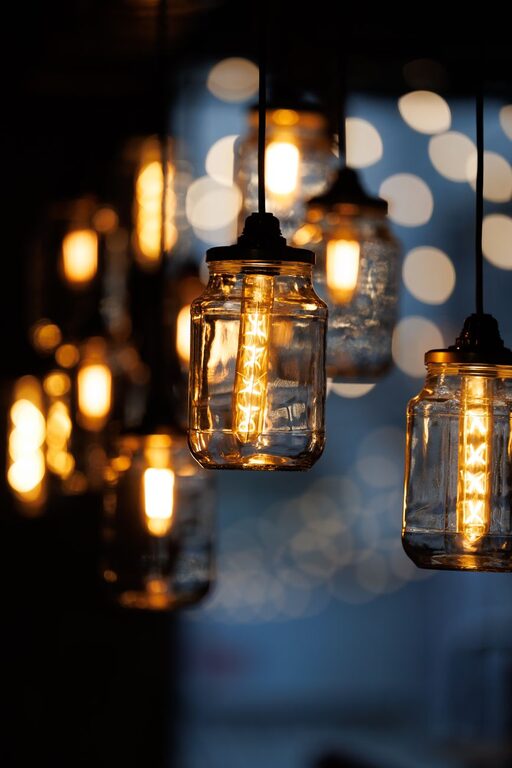
Creating a comfortable living space goes beyond furniture and color schemes. One essential element that often gets overlooked is lighting. The right lighting can transform your home, making it a welcoming and cozy environment. On the other hand, poor lighting can cause discomfort, eye strain, and an uninviting atmosphere. This guide provides practical tips to help you choose comfortable home lighting that suits your needs and style.
Understanding the Role of Lighting in Comfort
Lighting plays several important roles in a home:
– Functionality: Proper lighting ensures you can perform tasks like reading, cooking, or working without strain.
– Mood setting: Lighting influences the ambiance, helping you create a relaxing or energizing environment.
– Aesthetic enhancement: Well-chosen lighting highlights décor and architecture.
– Health and well-being: The right lighting can support your natural circadian rhythms and reduce eye fatigue.
By understanding these aspects, you can make informed lighting choices that improve comfort.
Types of Lighting to Consider
When planning your home lighting, it’s helpful to know the three main types:
1. Ambient Lighting
This is the general lighting that illuminates a room evenly. Examples include ceiling fixtures, chandeliers, recessed lights, or natural daylight from windows.
Tip: Choose fixtures that provide soft, diffused light to avoid harsh shadows and glare.
2. Task Lighting
Focused lighting that helps you complete specific activities such as reading, cooking, or working. Desk lamps, under-cabinet lights in the kitchen, and bathroom vanity lights are common examples.
Tip: Ensure task lighting is bright enough without causing glare.
3. Accent Lighting
Used to highlight artwork, plants, or architectural features. Accent lights add depth and dimension to a room’s lighting scheme.
Tip: Use adjustable or directional fixtures to control where light falls.
Key Tips for Choosing Comfortable Home Lighting
1. Consider the Color Temperature
Color temperature is measured in Kelvins (K) and affects the light’s warmth or coolness.
– Warm light (2700K–3000K): Creates a cozy, inviting atmosphere, ideal for living rooms and bedrooms.
– Neutral light (3500K–4100K): Balanced and bright, good for kitchens and bathrooms.
– Cool light (5000K+): Mimics daylight, suited for task areas or workspaces where alertness is required.
Tip: Mixing different color temperatures in various rooms can support their specific functions and mood.
2. Use Dimmers for Flexibility
Dimmers allow you to adjust the light intensity according to the time of day or activity. This flexibility helps reduce eye strain and tailor the ambiance.
Tip: Install dimmer switches on main lighting sources like living room overhead lights and dining areas.
3. Choose the Right Bulbs
LED bulbs are a popular choice due to their energy efficiency, long life, and availability in various brightness levels and colors.
Tip: Look for bulbs with a high Color Rendering Index (CRI) of 80 or above to make colors appear more natural and vibrant.
4. Avoid Glare and Shadows
Glare from overly bright or badly positioned lights can cause discomfort and eye strain. Similarly, harsh shadows can interfere with tasks.
Tip: Use lampshades, diffusers, or indirect lighting to soften light and minimize glare.
5. Layer Your Lighting
Using a combination of ambient, task, and accent lighting creates balance and improves comfort.
Tip: For example, in a living room, combine a ceiling light (ambient), a reading lamp near the sofa (task), and wall sconces or picture lights (accent).
6. Plan for Natural Light
Maximizing natural light during the day can reduce the need for artificial lighting and create a pleasant environment.
Tip: Use sheer curtains or blinds that allow light in without glare, and position mirrors to reflect light deeper into rooms.
7. Match Lighting Style with Décor
Lighting fixtures should complement your home’s style, whether modern, traditional, rustic, or minimalist.
Tip: Select fixture materials and finishes that blend well with your furniture and décor colors.
8. Think About Energy Efficiency and Cost
Choosing energy-efficient bulbs like LEDs can reduce electricity bills and environmental impact.
Tip: Consider the long-term savings over initial costs when selecting lighting products.
Practical Examples by Room
Living Room
– Use warm ambient lighting with dimmers for adjustable comfort.
– Add task lighting with floor or table lamps near seating areas.
– Incorporate accent lights to highlight art or bookshelves.
Kitchen
– Bright, neutral lighting for clarity during food prep.
– Under-cabinet task lights to reduce shadows on counters.
– Avoid overly harsh overhead lights that cause glare.
Bedroom
– Soft, warm ambient lights to create a relaxing mood.
– Bedside lamps with adjustable brightness for reading.
– Consider blackout curtains to control natural light for better sleep.
Bathroom
– Bright, neutral lighting around mirrors for grooming.
– Use diffused lights to prevent harsh shadows.
– Consider moisture-resistant fixtures designed for bathrooms.
Final Thoughts
Choosing comfortable home lighting enhances your living experience significantly. By considering color temperature, layering light sources, avoiding glare, and matching fixtures to your style, you create a cozy, functional, and visually appealing space. Remember that lighting needs can change throughout the day and with different activities, so flexibility through dimmers and multiple light sources is key.
Invest some time in planning your lighting carefully—it’s a small detail that makes a big difference in your home’s comfort and ambiance.