









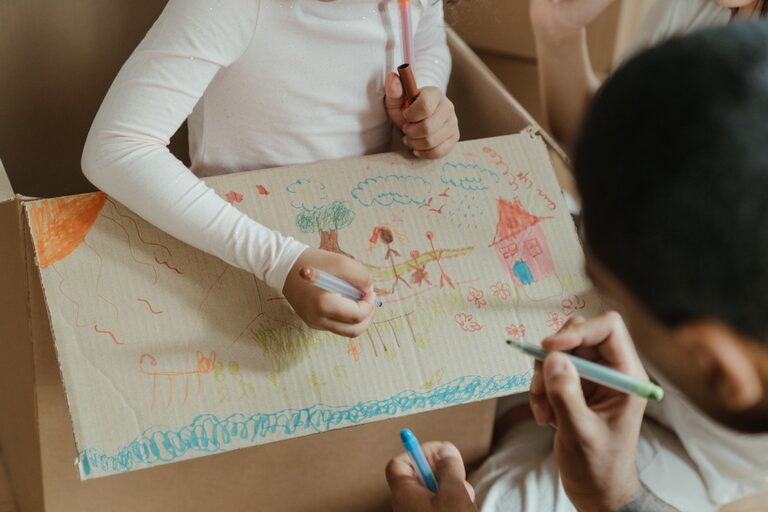
Keeping your children’s artwork organized can be a delightful yet challenging task. Kids often create a steady stream of drawings, paintings, and crafts, and without a system in place, these precious creations can quickly become overwhelming. Fortunately, there are many simple and creative strategies to help you keep kids’ art organized while celebrating their creativity.
Why Organizing Kids' Artwork Matters
Before diving into tips, it’s helpful to understand why organizing your kids’ art is beneficial. Organizing artwork:
– Preserves memories and milestones
– Reduces clutter and keeps your home tidy
– Encourages children to value their creative efforts
– Makes it easier to share and display favorite pieces
With these benefits in mind, let’s explore some practical ways to manage the flow of artwork.
Create a Dedicated Art Space
Designate a specific area in your home for art projects and storage. This might be a shelf, drawer, or a corner with art supplies and storage bins. Having a central spot encourages kids to place their finished work in one location, helping you keep track of everything.
Use Display Methods to Celebrate Artwork
Displaying artwork gives kids a sense of pride and makes your home vibrant. Here are some display ideas that also help keep things organized:
Art Walls or Corkboards
Set up a wall or bulletin board where kids can pin or tape their latest creations. Rotate the displayed pieces regularly to keep the space fresh.
Frames and Clipboards
Use frames or clipboards for a neat look. Frames can be swapped out easily, while clipboards allow for quick changes without damaging the art.
Clothesline Display
String a line along a wall and use clothespins to hang artwork. This is a fun, flexible way to showcase art and can easily be updated.
Organize Artwork with Storage Solutions
Once artwork is no longer on display, you’ll want to store it properly to avoid clutter. Consider these options:
Portfolio Folders or Binders
Use large portfolio folders or binders with plastic sleeves to store flat pieces like drawings and paintings. Label each by date or school year to make browsing easy.
Filing Boxes or Accordion Files
Filing boxes or accordion files help categorize artwork by type or age. They keep pieces flat and protected.
Digital Storage
Take photos or scan artwork and save them digitally. This saves physical space and creates a lasting archive. You can organize digital files by date or theme and even create photo books later.
Art Storage Containers
For three-dimensional crafts, use clear plastic containers or labeled boxes. This keeps everything visible and accessible without dust or damage.
Establish Regular Sorting and Decluttering Habits
To prevent accumulation, set regular times to review and sort artwork. You can do this monthly or quarterly with your child. Together, decide which pieces to keep, display, or recycle. This practice teaches children decision-making and helps manage volume.
Turn Artwork into Gifts and Keepsakes
Transforming art into gifts or keepsakes is another way to honor their work:
– Make greeting cards or wrapping paper from drawings
– Create calendars or photo books featuring scanned pieces
– Use artwork to decorate notebooks, magnets, or other items
These projects give art a new life and reduce storage needs.
Encourage Your Child’s Involvement
Including your child in the organizing process makes it more meaningful. Let them choose favorites to keep, help with labeling, or assist in creating displays. This involvement fosters responsibility and pride.
Tips for Handling Large or Delicate Pieces
Some artwork may be too big or fragile to store easily. Here are some tips:
– Photograph large pieces from multiple angles before recycling
– Use poster tubes or flat art storage cases for oversized papers
– For delicate art, place sheets between acid-free tissue paper and store flat
Keep It Manageable: Set Limits and Rules
To avoid feeling overwhelmed, set guidelines for how much artwork to keep. For example, decide to save a certain number of pieces per month or school year. Be realistic, and remember that it’s okay to let go of some items.
Final Thoughts
Organizing kids’ art can be a fun and rewarding experience. With a mix of display options, storage solutions, and regular sorting, you can preserve your children’s creativity while keeping your home neat and inspiring. Remember, the goal is to celebrate their work and create lasting memories without clutter.
Try different approaches to find what works best for your family, and make organizing art a shared activity that brings joy to both you and your children.